
Die Bundesrepublik Indien bedeckt mit einer Nord-Süd-Ausdehnung von 3200 km und einer West-Ost-Ausdehnung von 2800 km einen großen Teil des asiatischen Subkontinents. Damit ist es etwa zehn mal so groß wie Deutschland. Auf 28 Bundesstaaten verteilen sich über 1,2 Mrd. Menschen unterschiedlicher ethnischer Herkunft, was Indien zum zweitbevölkerungsreichsten Land der Erde macht. Die natürliche Nordgrenze des Landes bildet der Himalaya, das höchste Gebirge der Welt. Nach Süden hin ist das Land auf einer Küstenlänge von über 7000 km vom indischen Ozean umschlossen.
Bekannt ist Indien als Urlaubsziel vor allem für Meditationsreisen, dabei ist das Land auch reich an kulturellen Schätzen und einer außergewöhnlichen Landschaft mit einer ausgesprochen artenreichen Tier- und Pflanzenwelt, die zwischen Hochgebirgsvegetation im Norden und tropischem Regenwald im Süden alles bietet. Zahlreiche Naturparks und Wildschutzgebiete sollen heute dazu beitragen, die einzigartige Natur Indiens zu erhalten und zu schützen.
Neben Naturbegeisterten kommen aber auch Aktiv- und Strandurlauber auf ihre Kosten. Rafting, Trekking und Drachenfliegen sind nur einige der vielfältigen Möglichkeiten. Aber auch einige der schönsten Strände der Welt befinden sich in Indien.
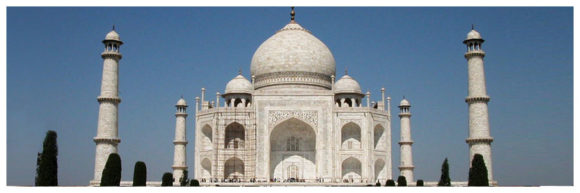
Als Land der Feiern und Feste hat Indien auch kulturell viel zu bieten. Etwa 80 Prozent der Inder sind Hindus und diese Religion wird traditionell das ganze Jahr über von vielen Festen (oftmals zu Ehren von Göttern) begleitet. Die bekannteste Attraktion Indiens ist das Taj Mahal in Agra. Es handelt sich hierbei um ein architektonisch imposantes, 50 m hohes Grabmal.
Aufgrund der großen Ausdehnung Indiens und der unterschiedlichen Landschaftsformen gibt es in Indien nicht ein Klima, sondern gleich acht Klimazonen. Der Süden ist das ganze Jahr über heiß und wird in der Zeit von Februar bis Juni mit 45 Grad nahezu unerträglich. Die beste Reisezeit für diese Gegend ist nach dem Monsun in den Monaten November bis Februar. Den Himalaya besucht man am besten in der Zeit von April bis Juni.
Für die Einreise nach Indien ist ein Touristen-Visum erforderlich, welches rechtzeitig bei der zuständigen Auslandsvertretung beantragt werden muss. Es ist sechs Monate gültig.
Im Rahmen der Urlaubsvorbereitungen sollten auch gängige Standardimpfungen überprüft und wenn nötig aufgefrischt werden. Als Malaria-Prophylaxe und Schutz vor dem dem Dengue-Fieber sollten ein Mückenschutzspray und gegebenenfalls ein Moskitonetz im Gepäck nicht fehlen.
Das Auswärtige Amt in Berlin rät nach gewaltsamen Auseinandersetzungen zwischen Bevölkerungsgruppen im Juli und August dieses Jahres derzeit von Reisen in die Distrikte Kokrajhar, Chirang, Baska, Udalguri, Baksa, Kamrup und Nalbari ab. Dennoch gehört Indien zu den vergleichsweise sicheren Urlaubsländern, auch wenn es immer mal wieder zu Anschlägen auch auf Touristen kommt. Wer sich jedoch an die vorgegebenen Verhaltensregeln hält, geht in Indien kein höheres Sicherheitsrisiko als in westlichen Urlaubsländern ein.
Kurzinfo Indien
 Indien- der Subkontinent in Südost Asien ist das zweitbevölkerungsreichste und siebtgrößte Land der Erde. 1,2 Milliarden Menschen leben dort in der weltgrößten Demokratie. Dabei ist das Land in 28 Bundesländer unterteilt, die unter einer eigenen Verwaltung stehen. Es grenzt an Pakistan, Tibet, Birma, Bhutan und Bangladesch. Im Norden bildet der Himalaya eine natürliche Staatsgrenze, im Süden der Indische Ozean.
Mehrere große Religionen sind mit Indien verwurzelt, unter anderem der Hinduismus, der Buddhismus, der Jainismus und der Sikhismus. Durch Eroberungen kamen der Islam und durch frühe Missionierungen das Christentum als Religionen nach Indien. Die Religion mit dem größten Stellenwert in Indien ist der Hinduismus. 80,5 % der Inder gehören dieser Glaubensrichtung an. Den Jainismus und seinem Stellenwert in Indien werden wir an späterer Stelle genauer betrachten.
Indien ist nicht nur in Glaubensfragen ein vielschichtiger Staat, sondern auch bei den Landessprachen. Insgesamt sind es 23 Sprachen, die in Indien offiziell anerkannt wurden. Die wichtigsten sind Hindi und Englisch.
Wenn man an Indien denkt, denkt man in erster Linie an das wundervolle Land, die Traditionen und die Kultur. An zweiter und nicht minder wichtiger Stelle kommt die Filmindustrie. Bollywood – so nennt man umgangssprachlich die indische Filmindustrie, produziert pro Jahr etwa 250 Filme.
Wir wollen uns auf eine Reise zu den wichtigsten Sehenswürdigkeiten in Indien begeben. Die enorme Vielfalt des Landes kennen lernen und die Geschichte und Kultur erkunden.
Indien bereisen – Sehenswürdigkeiten
Um eine wichtige Frage gleich zu Beginn zu klären: Indien ist ein sicheres Land. Die Kriminalität bewegt sich in einem normalen Rahmen, die Gewaltbereitschaft ist gering. Durch die hohe Bevölkerungsdichte sollte man allerdings auf den Verkehr achten. Dieser kann in den Städten recht unüberschaubar sein. Es empfiehlt sich deshalb, entweder ein Taxi zu nutzen oder das Land mit der Bahn zu bereisen. Dies ist in Indien sehr preiswert möglich. Ebenso sollte man sich vor Reisebeginn bei seinem Hausarzt nach zusätzlichen Impfungen erkunden. Und zu guter Letzt noch ein Tipp für alle empfindlichen Mägen. Kein Wasser aus der Leitung, aus einem Brunnen oder gar aus einem Fluss trinken, da dieses Wasser nicht ansatzweise an die Wasserqualität in Deutschland heran reicht.
 Die Sehenswürdigkeiten in Indien sind weit gestreut. Es fällt daher schwer, eine bestimmte Reiseroute zu empfehlen. Darum sollte man sich vor der Reiseplanung Gedanken machen, an welcher Art von Sehenswürdigkeiten man interessiert ist. An dieser Stelle seinen nur ein paar Anregungen genannt.
Wer Indien auf Bildern sieht, wird als erstes das Taj Mahal sehen. In Agra gelegen, scheint es wie aus einer anderen – vergangenen – Welt zu sein. Der „Kronen-Palast“, so die deutsche Bezeichnung, ist ein Mausoleum. Dieses ließ der Großmogul Shah Jahan 1631 erbauen, um seiner Hauptfrau nach ihrem Tode zu gedenken. Rund um das Taj Mahal wurde ein 18 Hektar großer Garten angelegt, den im vorderen Teil ein langes Wasserbecken ziert. 1983 wurde es zum UNESCO – Weltkulturerbe erklärt und seit vielen Jahren als muslimische Gebetsstätte genutzt.
Ein wenig Zeit sollte man ebenfalls der Hauptstadt Indiens – Dehli – widmen. Allein die vielen Menschen, ihre Lebensart und der Mix verschiedener Baustile sorgen für viel Unterhaltung und sind Sehenswert. Wer gut und günstig einkaufen möchte, wird in Dehli ein Paradies vorfinden.
Ein Heiligtum der Sikhs kann man in Punjab besichtigen. Dort wurde, in einem rechteckigen, künstlich angelegten See, bereits 1589 der Goldene Tempel errichtet. Es ist ein Ort zum entspannen und Meditieren. Leise Musik ertönt und kostbare Malereien, Teppiche und Vorhänge können bestaunt werden. Der Tempel versorgt täglich hunderte von Pilger mit kostenlosem Essen. Wer den Tempel betreten möchte, muss sich an einige Vorschriften halten. Der Kopf muss bedeckt sein, die Schuhe aus und die Füße und Hände gewaschen.
Eines der schönsten Gebäude in Dehli ist das Grabmal von Kaiser Humajuns. Architektonisch am Taj Mahal angelehnt, gehört auch diese Sehenswürdigkeit zum UNESCO – Weltkulturerbe und ist für Touristen zu besichtigen.
Wer auf seiner Reise durch Indien nach Mumbai kommt, sollte unbedingt einen Zwischenstopp an den Elephanta Caves einlegen. Es sind Höhlen, in denen Statuen von Hindu Gottheiten aufbewahrt werden. Diese stammen bereits aus dem 9. Jahrhundert. Man findet die Höhlen auf einer Insel, die der Stadt vorgelagert ist.
In Ranakpur steht der wohl bedeutendste Jaina – Tempel. Dies ist ein kleiner Ort im indischen Bundesstaat Rajasthan. Erbaut wurde er im 15. Jahrhundert und gilt wegen seiner üppig gestalteten und ausgeschmückten Tempelanlage als der bekannteste Jaina – Tempel in Indien.
Der Jainismus
Auch wenn dieser Glaubensgemeinschaft nur wenige Inder (4,2%) angehören, wird diese Religion in Indien gepflegt und danach gelebt. Sie entstand etwa im 6. Jahrhundert vor Christus. Einer der Gründer dieser Religion war Mahavira. Die geistigen Führer dieser Glaubensgemeinschaft werden Tirthankara genannt. Sie sollen als Vermittler zwischen der materiellen und der spirituellen Welt dienen.
Der Jainismus hat, ähnlich wie der Buddhismus, seine Wurzeln im Brahmanismus. Er lebt von seinen traditionellen philosophischen Überzeugungen. Dabei geht man von zwei Prinzipien aus. Den Geistigen und den Ungeistigen. Auf der einen Seite stehen die individuellen Seelen, auf der anderen Seite die Bewegung, Ruhe, Stoff, Raum und Zeit.
Als ethische Grundprinzipien gelten Gewaltlosigkeit, Unabhängigkeit von materiellen Dingen und die Wahrhaftigkeit. Durch die Gewaltlosigkeit essen die Jainisten kein Fleisch. Sie üben keine Berufe wie Fleischer, Bäcker oder Bauer aus und arbeiten meist im Handel oder Bankenwesen.
Yoga
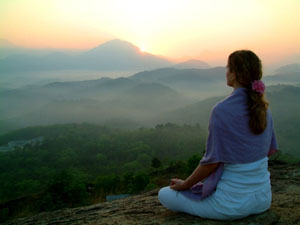
Yoga ist eine der Praktiken, die aus dem indischen Alltag nicht mehr wegzudenken sind. Yoga hat die Geschichte Indiens geprägt und Indien die Geschichte des Yogas. Im Grunde besteht das traditionelle Yoga aus einer Reihe von körperlichen und mentalen Übungen auf der Basis von Meditation und Askese. In letzter Konsequenz soll durch das beständige Praktizieren eine erhöhte Bereitschaft zu Sammlung und Konzentration erreicht werden, wodurch schließlich das Einswerden mit Gott erreicht wird.
 Grundsätzlich ist Yoga eng mit der religiösen Schule des Hinduismus verknüpft. Dennoch sind in der über 3000-jährigen Geschichte des Yoga auch Einflüsse anderer Religionen des indischen Subkontinents (Jainismus…) eingeflossen.
Traditionell unterschiedet man vier unterschiedliche Yogawege: Karma Yoga, Bhakti Ypga, Jnana Yoga und Raja Yoga. Ab dem 15. Jht. unserer Zeitrechnung kam es dann zur Entwicklung des Hatha Yogas, das seinen Schwerpunkt auf die körperlichen Aspekte der Yogaübungen legt. Durch das Aufeinandertreffen von westlicher Zivilisation und indischer Kultur entstand in den letzten 30 Jahren starke Modifizierungen des Hatha Yogas. Ganz entscheidend hat dabei der aus Bellur (Karnataka) stammende Yogi BKS Iyengar zur Weiterentwicklung des Yoga beigetragen.
Heute wird Yoga eigentlich auf allen Kontinenten praktiziert und es gibt entsprechende Unterrichtsangebote von New York über Berlin bis nach Moskau, Rio oder Johannesburg. Die einstige rein indische Methode hat sich zu einem festen Bestandteil des Weltkulturerbes entwickelt.
Reiseinformationen
Wer nach Indien reisen möchte, der sollte sich vorher mit den nationalen Besonderheiten vertraut machen. Denn so spannend, intensiv und lehrreich ein Aufenthalt in Indien auch sein mag, für viele Europäier ist der Kontakt mit dem indischen Alltagsleben oftmals ein wenig erschreckend.
Die allgegenwärtigen Menschenmassen, die nicht enden wolllende Lawine von Autos, Mopeds und Fahrädern die den Alltag in indiens Großstädten prägen, die fremden Gerüche und Speisen…
Informieren Sie sich vor Ihrer Abreise auf den vielen Webseiten zum Thema Indien. Für weitere Informationen (Visum, Impfungen etc.) können Sie auch an die Indische Botschaft wenden.